Summer in the Psalms: June 2

This Reading Guide has been designed to provide you the opportunity to read the Psalms, discover truths about the nature of God, and grow in love and appreciation of Him.

Each day, take a few minutes to…

  • Read the daily Psalm.
  • Pay close attention to the verse or verses noted.
  • Look for words such as for, because, surely, that. (Note: Not every reading will have one of these terms, but many of them will.)
  • Answer the question: Who is God? 
  • Example: Psalm 28:6 – Praise…the LORD, for he has heard my cry for mercy.
  • Who is God? — God is a God who hears our cries for mercy.

JUNE 2 READING: Psalm 3 (see v. 5)

QUESTIONS:

Who is God? What attribute(s) of God did you read about in today’s Psalm?

Write about a specific time in which you experienced this character trait of God in your life. (e.g, A time when God sustained you, or you experienced his love, grace, wisdom, strength, etc.)

Summer in the Psalms: June 1 (Introduction & Daily Reading)

INTRODUCTION:

There are a handful of questions that many wrestle with on a regular basis…

     How could a good God allow bad things to happen? 

          Why did God create the world if He knew there would be so much suffering? 

               Does God really have a purpose for my life? 

While we may wrestle with questions such as these throughout our lives, there’s one other question that impacts our lives in the most significant way possible: Who is God? 

Fortunately, the Psalms do an excellent job of answering this question, helping us to better understand the character and nature of God. The Psalms frequently mention the strength of God. The love of God. The humility of God. The faithfulness of God. The wisdom of God. And much more.  

But how do we find these character traits of God in the Psalms? Well, there are a few words that often appear right before a statement describing His nature and character.

One specific Hebrew word that is used hundreds of times throughout the Psalms is most often translated in English as for, because, surely, or that. When key words like these appear, we often find an answer to the question, “Who is God?” nearby. 

Here are a couple of examples: 

Example: Read Psalm 1 (see v.6) “For the Lord watches over the way of the righteous.”

Question: Who is God?

Answer: One attribute of God is that He watches over the way of the righteous. 

Example: Read Psalm 3 (see v.5) “I lie down and sleep; I wake again, because the Lord sustains me.

Question: Who is God?

Answer: One attribute of God is that He sustains me. My strength comes from Him! 

This Scripture Reading Guide has been designed to guide you through many of the Psalms throughout the summer. Every day, you will have the opportunity to read just one or two Psalms that will help you answer the question, “Who is God?” You will benefit most by writing down an answer to this simple question every day. How many attributes of God will you discover? What will you learn about God and your ability to connect with Him? Let’s read the Psalms together, and find out.

JUNE 1 READING: Psalm 1 (see v. 6)

QUESTIONS:

Who is God? What attribute(s) of God did you read about in today’s Psalm?

Write about a specific time in which you experienced this character trait of God in your life. (e.g, A time when God sustained you, or you experienced his love, grace, wisdom, strength, etc.)

Summer in the Psalms: Daily Devotionals to Help You Slow Down

Our world moves fast. Often, it’s way too fast. If you were to take the opportunity to intentionally slow down, and then slow down some more, and then slow down some more, you would probably still be doing a bit too much.

As John Eldredge writes in Get Your Life Back, “My soul just can’t move at the speed of smartphones.” He makes an excellent point. Is the world moving faster than your soul is able to keep up? Is your soul safe and secure at the pace you’re currently living?

If you read those questions and have no idea how to answer them, you’re moving too fast. It isn’t just important to take intentional opportunities to quiet your mind, heart, and soul, it’s an essential priority. This time of intentionally slowing down isn’t something to be done every day for a week, or even a month. It’s a lifelong practice. Setting aside time to allow your soul to receive the rest God intended is essential.

Recently, I wrote about the Pause App, and how I’m finding it to be an extremely useful tool to help me slow down twice a day. I’ve continued to walk through a 5 minute or 10 minute Pause twice daily, and the benefits are tremendous.

There are other resources which help me slow down as well. And many of these tie in well with our Summer in the Psalms message series.

One Daily Devotional for the Psalms which I regularly read is The Songs of Jesus by Timothy Keller. Prior to writing this daily devotional, Keller and his wife Kathy read through the Psalms every month for over 20 years. Think about that. All 150 Psalms. Every month. For 20 years. That’s a lot of time in the Psalms.

Each daily reading consist of a brief reading of a Psalm, a short devotional, a question to ponder, and a prayer.

Fortunately, Keller has a devotional with a similar format for Proverbs as well. If you’re looking for a morning reading and an evening one, each of these devotionals are excellent. Just be sure to keep a journal nearby so you can write out an answer to each question for reflection. You’ll get even more out of each reading by taking this essential step.

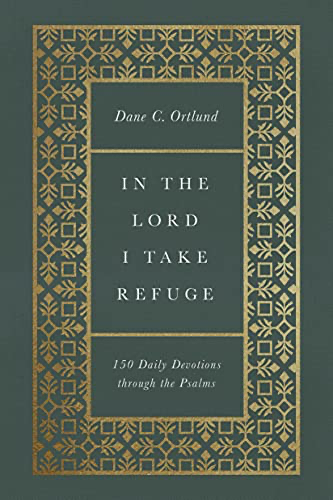
Another Daily Devotional for the Psalms is In the Lord I Take Refuge by Dane Ortlund. Here, Ortlund provides a devotional reading for each Psalm. As such, there are 150 devotionals, as opposed to the 365 in Keller’s book. Despite the number of readings, there are tremendous treasures to be mined within these pages. It’s an excellent resource and one I’m glad to carry with me.

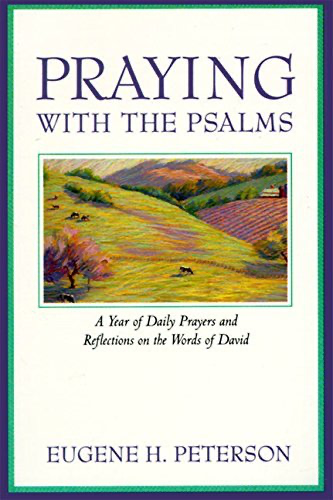
Finally, beloved Pastor and author Eugene Peterson has a 365 day devotional for the Psalms. Simply titled, Praying with the Psalms, the author of the Message breaks down the Psalms with the goal of aiding the reader to encompass a more disciplined prayer life. If you’d like to dig deeper into the Psalms and grow in your prayer life, Peterson’s devotional is an excellent resource.

However you may choose to more fully engage with the Psalms, may God’s Word continue to provide your mind, heart, and soul with rest.

Digging Deeper: Summer Reading and other Resources

Woosh. I won’t lie. The Tension Points series we just wrapped up at South Ridge Church was tough. The two messages I (Pastor Justin) personally focused on — Grief & Loss, and Race & Racial Reconciliation — were tough topics. I think I put more thought, prayer, and time into crafting these two messages than I’ve put into any other messages throughout my time in ministry. But I’m not alone. I believe that the topics of the Economy, the Pandemic, and American Politics & Geopolitical Unrest were challenging for Pastor Daniel and Looch to teach as well. (If you’d like to revisit any of these messages, you can do so by clicking here.)

You may be thinking, Yes, the messages were tough, but good. And I’d like to really spend some time thinking about how I can respond to these and other “Tension Points” in a godly manner.”

If this is you, allow me to provide some resources you may find helpful. I wouldn’t necessarily recommend purchasing or reading all of them, but take some time to think about which one(s) may be most helpful for you. (And, of course, if you’re ever looking for another resource…a good Study Bible is always a good option.)

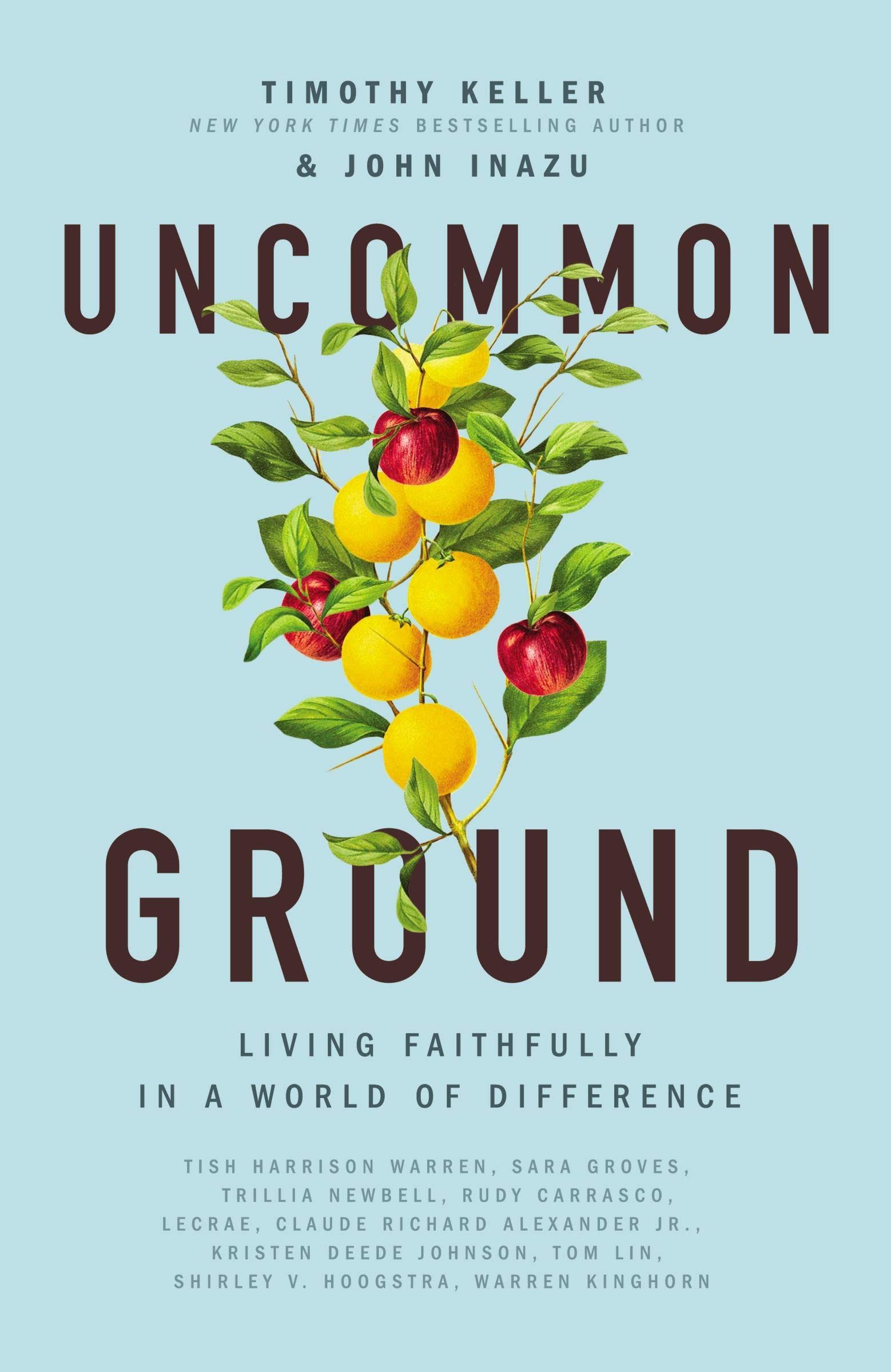
One book you may find interesting is Uncommon Ground: Living Faithfully in a World of Difference, Edited by Timothy Keller and John Inazu. What I love about this book is that it wasn’t written by one person, but a treasure trove of authors and artists who have a lot of experience in navigating difficult conversations on tough topics. It’s an eye opening read, and each chapter will surely provide you a lot to consider.

Of all of the resources mentioned in this post, this would be my top recommendation. We all occasionally find ourselves on uncommon ground with others. We all want to grow in responding in love. This resource provides a lot of insight, and goes to show that there can still be unity even when there is a diverse range of perspectives on tough topics.

Another book – which I’ve thoroughly enjoyed this year is The Deeply Formed Life, by Rich Villodas. Here, Rich Villodas navigates through Five Transformational Values to Root us in the Way of Jesus. These values include:

Contemplative Rhythms for an Exhausted Life

Racial Reconciliation for a Divided World

Interior Examination for a World Living on the Surface

Sexual Wholeness for a Culture that Splits Bodies from Souls

Missional Presence in a Distracted and Disengaged World

Reading through The Deeply Formed Life is easy to do. Reading through it slowly, very slowly, and practicing putting these rhythms into your daily life is the greater challenge. However, those who do will find that practicing these values well really does offer life transformation.

Another worth mentioning is A Long Obedience in the Same Direction by Eugene Peterson. Some books are good for a short season, and others have lasting strength. A Long Obedience in the Same Direction was first published in 1980 and continues to be one of the greatest books on Spiritual Formation. Why is it included here as a resource for the Tension Points message series? Well, like The Deeply Formed Life, A Long Obedience in the Same Direction focuses on key values that need to be regularly lived out in our lives. And as the title says, growing in Christ isn’t a quick fix. It takes…a long obedience in the same direction. It takes time.

When we are deeply rooted in Christ, we will be able to respond to difficult topics such as the Economy, Grief & Loss, and Racial Reconciliation well. And this book is one that can be read again and again and again. The truths provided here are excellent, and we need to be reminded them regularly.

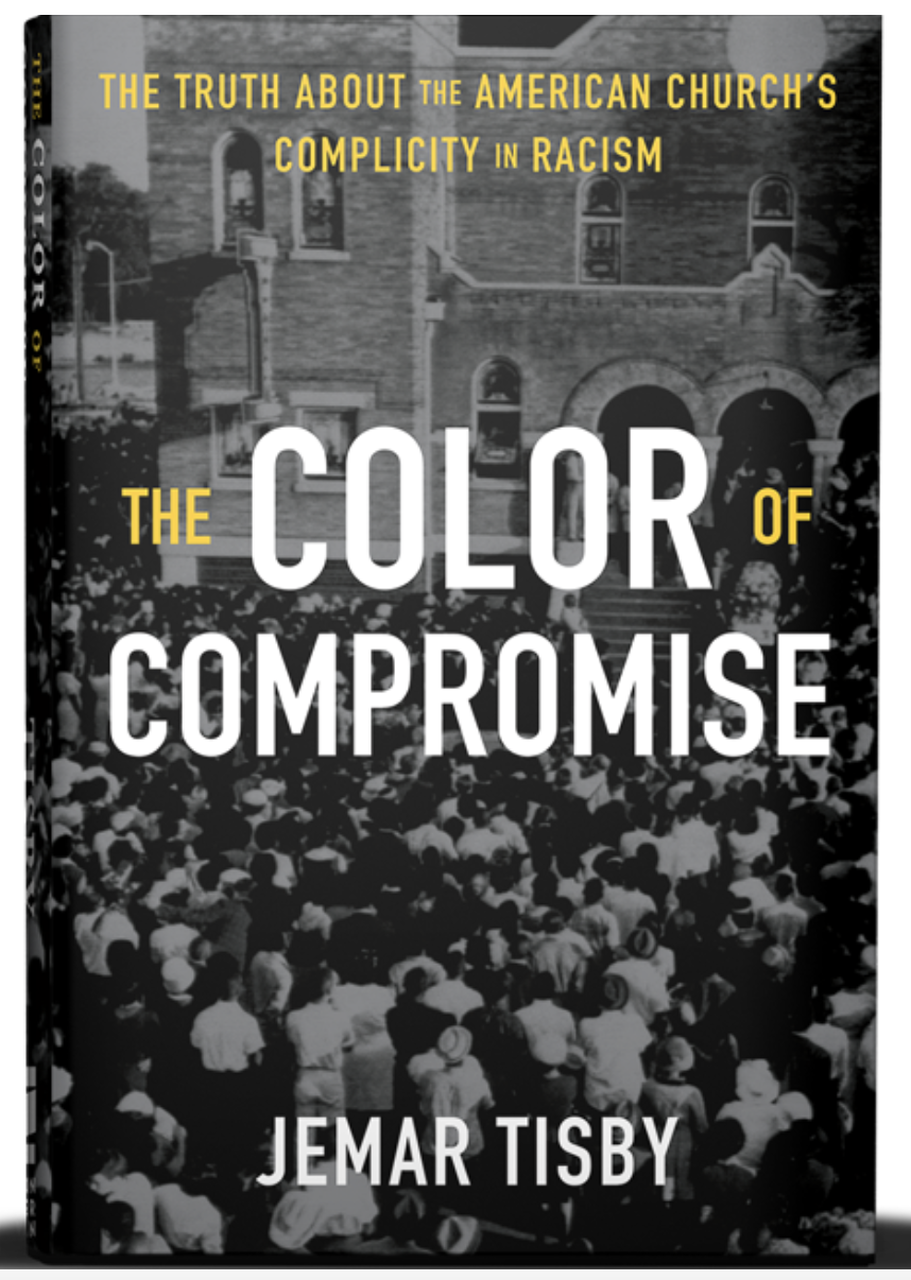
One final resource to mention is The Color of Compromise by Jemar Tisby. Here, Tisby navigates through the history of the Christian Church being complicit in racial segregation. It’s a tough read, because the history provided here is irrefutable. While not everybody may agree with some of the proposed solutions Tisby provides, The Color of Compromise is eye-opening and will help the reader see a challenging topic through the lens of history.

I’ll be sure to throw out a couple of recommendations for the current Summer in the Psalms series soon as well. But if you’re ever looking for a resource on a specific topic, feel free to let me know.

It’s Time to Pause

Are you feeling tired? Stretched? Overworked? Anxious? All of the above?

In a culture that thrives on success and accomplishments it’s no wonder we occasionally find ourselves living at an unsustainable pace.

Fortunately, John Eldredge (author of Wild at Heart, Get Your Life Back, Resilient, and more) has created an app with the sole purpose to help you Pause once or twice a day.

As you may know, I (Pastor Justin) have regularly been an advocate for the Emotionally Healthy Discipleship material. And one of the key principles of Peter Scazzero’s work is that what we DO for God must come from our BEING with God. We are not able to give to others what we don’t have ourselves. As such, we must take in silence, be still in the presence of God, remember that He and He alone ultimately has control of the universe, and then we can live the life He has invited us to live.

Until now, I’ve simply used a timer on my phone to take opportunities to experience silence. But a few months ago I discovered the One Minute Pause app and have found it extremely helpful.

In this app, you will have the opportunity to build from a One Minute Pause, to Three Minutes, then Five Minutes, and then Ten Minutes. You may be thinking, There’s no way I can just sit in silence for ten minutes! but you may be surprised. Eldredge’s team has created a remarkable app that really does help.

If you’re interested, you can check out it here:

One Minute Pause on iOS

One Minute pause on Android

The One Who is Lord – Write it Out

(Begin with 1-2 minutes of silence)

Take the opportunity to review this week’s questions and scripture readings. 

What is one way you’ve grown this week in your understanding of God, yourself, and others? 

Take some extra time today to write out a prayer to God. Share your heart, fears, and feelings with Him, knowing He is intently listening, and believing He is with you in all things.

The One Who Tells Stories – Write it Out

(Begin with 1-2 minutes of silence)

Take the opportunity to review this week’s questions and scripture readings. 

What is one way you’ve grown this week in your understanding of God, yourself, and others? 

Take some extra time today to write out a prayer to God. Share your heart, fears, and feelings with Him, knowing He is intently listening, and believing He is with you in all things.

The One Who Invites – Write it Out

(Begin with 1-2 minutes of silence)

Take the opportunity to review this week’s questions and scripture readings. 

What is one way you’ve grown this week in your understanding of God, yourself, and others? 

Take some extra time today to write out a prayer to God. Share your heart, fears, and feelings with Him, knowing He is intently listening, and believing He is with you in all things.

The One Who Invites – Follow Me

(Begin with 1-2 minutes of silence)

In Jesus’ day a Rabbi (teacher) would only choose the best of the best students to study under them. Students who showed great potential – usually those who had tremendous knowledge of the Old Testament – were deemed worthy of continuing education. As such, a Rabbi would approach only a select few students to say, “Follow me.” To receive such an invitation was a great honor. 

When Jesus approached men such as Peter and his brother Andrew, as well as James and John, it’s likely that other Rabbis had passed them by. As trained fisherman, it is not that they would have been uneducated. Nevertheless, they were not seen as the best and brightest of their graduating class. As such, they turned their attention to a career as fishermen.

But Jesus did not pass them by. He saw something within them nobody else could see. He was able to see the depths of their potential. He was able to see beyond their head knowledge and instead see their full purpose. So He invited them to follow Him so they could discover and fulfill that purpose. It’s the same invitation He offers you today. 

READING & JOURNALING:

     MARK 3:7-19, MATTHEW 4:19, 9:9

What kinds of people did Jesus invite to follow Him? What does this say about His nature and character? 

PRAYER:

Heavenly Father, there are moments when I feel unworthy to receive an invitation to follow You. Yet, Jesus’ choosing of the twelve disciples shows that He wasn’t looking for what society may have deemed the best and brightest. He was able to see something within them they couldn’t see within themselves. Today, help me to see myself in the way You see me. In Jesus’ name. Amen. 

(End with 1-2 minutes of silence)

The One Who Heals – Write it Out

(Begin with 1-2 minutes of silence)

Take the opportunity to review this week’s questions and scripture readings. 

What is one way you’ve grown this week in your understanding of God, yourself, and others? 

Take some extra time today to write out a prayer to God. Share your heart, fears, and feelings with Him, knowing He is intently listening, and believing He is with you in all things.